

Categories
Buyers and Sellers, Homebuyers, Home Sellers, Real Estate, Real Estate Tips, WV Real EstatePublished July 13, 2026
How to Navigate the Fall Real Estate Market in West Virginia

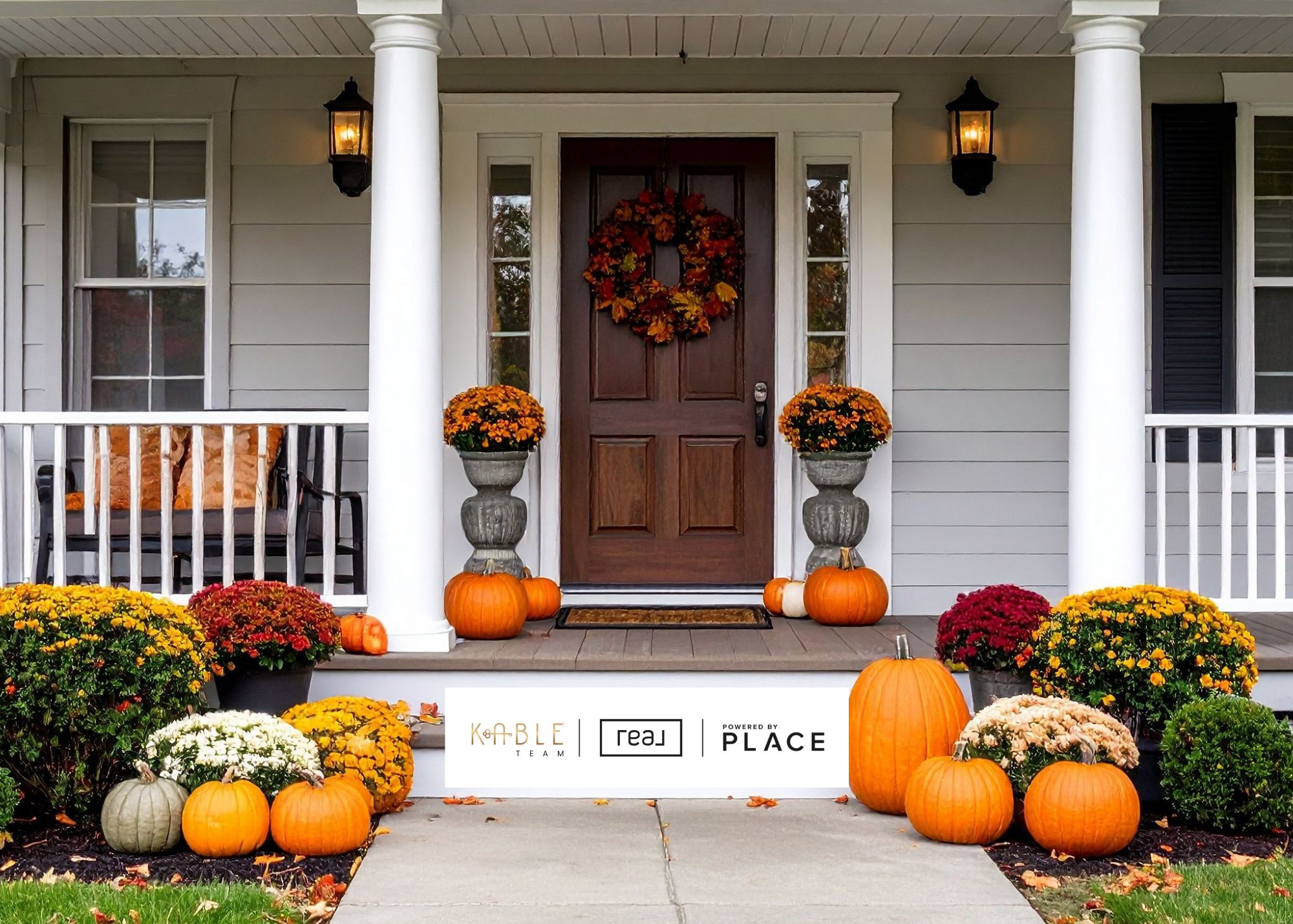
Fall can be a good time to buy or sell a home in West Virginia. The market often slows after the busy spring and summer months. But that does not mean the market stops.
Serious buyers are still looking. Many sellers also want to move before the holidays or winter weather arrives.
The key is to understand that every local market is different. What is happening in Charles Town may not be the same as what is happening in Martinsburg, Berkeley Springs, or Harpers Ferry.
Here is what buyers and sellers should know about navigating the fall 2026 real estate market in West Virginia.
What Is the West Virginia Housing Market Like in 2026?
The West Virginia market is becoming more balanced in many areas.
There are more homes for sale than there were a year ago, but supply is still not high in every price range. Statewide inventory was up slightly during spring 2026, with about four months of housing supply. A market with around six months of supply is often seen as balanced between buyers and sellers.
Home prices are also still rising in many parts of the state, but the pace is different from one county to the next.
For example, recent data showed:
- Jefferson County had a median sale price near $418,000 during the three months ending in May 2026.
- Morgan County had a median sale price near $299,000 during that same period.
- Berkeley County had a median listing price in the mid-$300,000s.
These numbers can change from month to month. They also include many types of homes. A local market review is more useful than a statewide average when you are making a real decision.
Buyers can search West Virginia homes for sale to see what is currently available in each area.
Why Can Fall Be a Good Time to Buy a Home?
Fall buyers may face less competition than buyers who searched during spring.
There may be fewer homes to choose from, but there may also be fewer people making offers. Sellers who remain on the market in fall are often serious about moving.
The National Association of REALTORS® notes that homes may take longer to sell outside the busy summer season. This can give buyers more room to negotiate.
A buyer may be able to ask for:
- Help with closing costs
- Repairs after the home inspection
- A home warranty
- A flexible closing date
- Credit toward an older roof or heating system
- Certain appliances or personal property
That does not mean every seller will agree. A well-priced home in a popular neighborhood may still receive more than one offer.
Start With the Monthly Payment
Mortgage rates remain an important part of the 2026 housing market. In July 2026, the average rate for a 30-year fixed mortgage was around the mid-6% range. Rates can change each day.
Do not shop by price alone. Ask a lender to show you the full monthly payment, including:
- Principal and interest
- Property taxes
- Homeowners insurance
- Mortgage insurance, when needed
- Homeowners association fees
- Estimated utility costs
A less expensive home is not always the better deal. It may need more repairs, have higher taxes, or cost more to heat.
Before touring homes, review your home-buying resources and speak with a trusted lender about your buying power.
Fall Home-Buying Tips for West Virginia Buyers

1. Get Pre-Approved Before You Tour
A pre-approval helps you understand your price range. It also shows sellers that you are prepared to buy.
Ask the lender how long the pre-approval lasts and what could change it. Taking on new debt, changing jobs, or missing a payment may affect your loan.
2. Look at Heating and Energy Costs
West Virginia winters can be cold. Ask what type of heat the home uses.
Common systems include:
- Electric heat pumps
- Propane
- Natural gas
- Oil
- Wood or pellet stoves
Request past utility bills when possible. Look at the age of the heating system, water heater, windows, insulation, and roof.
3. Pay Attention to Water and Drainage
Fall rain can reveal problems that are hard to see during dry weather.
Walk around the home and look for:
- Water pooling near the foundation
- Wet basement walls
- Clogged gutters
- Poor grading
- Soft areas in the yard
- Musty smells
- Stains near windows or ceilings
A professional home inspection is different from an appraisal. The inspection looks at the home’s condition. The appraisal helps the lender review its value. Learn more in our guide to home inspections and appraisals in West Virginia.
4. Check Rural Property Features
Many homes in the Eastern Panhandle have private wells, septic systems, long driveways, or larger lots.
Ask questions about:
- Well water tests
- Septic inspections
- Driveway maintenance
- Road agreements
- Internet service
- Cell service
- Snow removal
- Property boundaries
- Flood zones
Do not assume these items are the same at every home.
5. Leave Room in Your Budget
Do not spend every dollar on the purchase.
You may need money for moving costs, repairs, curtains, tools, lawn equipment, fuel, or winter maintenance. A cash reserve can make the first year of homeownership much less stressful.
Buyers who need help with upfront costs can also read about down payment and closing cost assistance in the Eastern Panhandle.
Why Can Fall Be a Good Time to Sell a Home?

There may be fewer buyers in fall, but those buyers are often motivated.
They may be moving for a job, dealing with a life change, or trying to close before the end of the year. Fall sellers can still get a strong result when the home is priced well and presented with care.
The biggest mistake is using a spring price in a fall market without looking at current competition.
A home’s value depends on:
- Location
- Condition
- Size
- Lot
- Upgrades
- Recent comparable sales
- Current competing listings
- Buyer demand in that price range
Online estimates can be a starting point, but they may not see a renovated kitchen, a worn roof, a steep driveway, a finished basement, or a special view.
Sellers can request a local home value review before deciding on a price.
Fall Home-Selling Tips for West Virginia Sellers
1. Price the Home for Today’s Market
Buyers can compare listings online in minutes. If your price is too high, they may skip the home without scheduling a tour.
The first weeks on the market matter. A strong price can create more interest and give you better choices.
Review both recent sales and active listings. Recent sales show what buyers paid. Active listings show what buyers can choose today.
2. Keep the Outside Clean and Safe
Fall leaves can cover walkways, decks, steps, and driveways.
Before photos or showings:
- Rake leaves
- Clean gutters
- Trim dead branches
- Wash the front door
- Add a clean welcome mat
- Check exterior lights
- Remove slippery moss
- Repair loose steps or rails
The National Association of REALTORS® also recommends keeping seasonal walkways clean, safe, and well-lit.
3. Let in More Light
Days become shorter in fall. Dark rooms may appear smaller in listing photos and during evening tours.
Open curtains and blinds. Clean the windows. Replace burned-out bulbs. Use warm lamps in dark corners.
Avoid filling the home with heavy fall decorations. A few simple touches can feel welcoming. Too many decorations can hide the home’s features.
4. Make the Home Feel Comfortable
Keep the temperature comfortable during showings. A cold home may cause buyers to wonder whether the heating system works well.
Fix drafts, change the furnace filter, and have the heating system serviced when needed. If the home has a fireplace, make sure it is clean and safe before using it.
5. Prepare for Inspection Questions
A buyer may pay close attention to the roof, gutters, heating system, basement, drainage, and trees before winter.
You do not need to remodel the whole house. Focus on repairs that affect safety, function, or buyer trust.
Small improvements may include:
- Fixing leaks
- Sealing gaps
- Replacing damaged trim
- Repairing loose handrails
- Servicing heating equipment
- Correcting peeling paint
- Cleaning the chimney
- Removing moisture or mildew
Review the seller resources from The Kable Team before preparing your home for the market.
What Should Buyers and Sellers Expect During Negotiations?
A fall transaction may include more discussion than a fast spring sale.
Buyers may ask for closing help or repairs. Sellers may need to decide which request matters most.
Do not focus only on the offer price. Review the full offer, including:
- Financing type
- Down payment
- Requested closing costs
- Inspection terms
- Appraisal terms
- Settlement date
- Home-sale contingency
- Included items
- Earnest money deposit
A slightly lower offer may be stronger if it has fewer risks. A higher offer may be less attractive if it depends on many conditions.
Clear timelines are also important. Holiday schedules, weather, travel, and year-end business hours can affect inspections, repairs, lending, and settlement.
Should You Wait Until Spring?
Waiting may be the right choice for some people, but spring is not always better.
Buyers may find more listings in spring, but they may also face more competition. Sellers may see more buyer traffic, but they will also compete with more homes.
The better question is: Are you ready to move?
A buyer may be ready when they have stable income, a clear budget, loan approval, and enough savings.
A seller may be ready when the home is prepared, the price is based on local data, and there is a plan for the next move.
Trying to perfectly time the market can lead to missed opportunities. Focus on your needs, your budget, and the local facts.
Frequently Asked Questions About the Fall West Virginia Real Estate Market
Is fall a bad time to sell a home in West Virginia?
No. There may be fewer buyers, but many fall buyers are serious and ready to act. Correct pricing, strong photos, easy showing access, and good home condition become even more important.
Are West Virginia home prices lower in fall?
Not always. Prices depend on local supply, demand, location, condition, and price range. Some sellers may be more willing to negotiate, but well-priced homes can still sell quickly.
Is there less competition for buyers during fall?
There is often less buyer competition after summer. However, affordable homes and homes in popular areas may still receive strong interest.
What should I inspect before buying a West Virginia home in fall?
Pay close attention to the roof, gutters, heating system, drainage, basement, chimney, windows, insulation, well, septic system, driveway, and trees near the home.
When should I start preparing for a fall sale?
Start four to eight weeks before you hope to list. This gives you time to complete repairs, remove clutter, improve curb appeal, review the market, and arrange professional photos.
How can I learn what is happening in my specific town?
Ask for a local market review based on recent sales, current listings, days on market, price changes, and buyer demand in your property’s price range. County or statewide numbers alone may not tell the full story.
Make a Plan Based on Your Local Market
The fall real estate market can bring useful opportunities for both buyers and sellers. Buyers may have more time to compare homes and negotiate. Sellers can reach serious buyers who want to move before winter or the end of the year.
Success starts with good information.
The Kable Team serves buyers and sellers throughout West Virginia’s Eastern Panhandle, including Jefferson, Berkeley, and Morgan counties. Our team can help you review local conditions, understand your choices, and build a clear plan based on your needs.
You can:
- Search homes for sale in West Virginia
- Explore buyer resources
- Explore seller resources
- Check your estimated home value
- Meet The Kable Team
- Contact The Kable Team
Whether you plan to move this fall or are still gathering information, a local review can help you decide what to do next.


Tracy Kable
Associate Broker, REALTOR®, CDRS®, CRS®, e-PRO®, SRES® | The Kable Team | Real Broker LLC | PLACE
or another way